

The Central Committee of the Communist Party of the Workers of Spain (PCTE), meeting for its fifth extraordinary plenary session, has called for the construction of an independent workers’ opposition in response to housing protests, the early general elections scheduled for 29 November and a general strike called for 11 November.
Image
PCTE calls for an independent workers’ opposition ahead of Spain’s elections and General Strike
PCTE calls for workers' opposition ahead of Spain’s elections
In its statement, the party argued that these developments reflect mounting social contradictions that are directly affecting working-class living conditions. It maintained that the housing crisis, falling living standards, insecure employment and pressure on wages must be addressed as interconnected issues rather than through separate struggles.
The PCTE highlighted the mobilisation triggered by the eviction of Maricarmen Abascal, arguing that organised popular pressure had forced institutions to adopt housing measures that had not previously been priorities. However, it criticised the resulting housing decrees as limited, saying they failed to challenge the property relations underlying the crisis. As long as housing remains subordinated to the profit interests of banks, investment funds and real-estate companies, the party argued, access to housing will remain restricted by the demands of capital.
The party called for the housing movement to be linked to struggles for higher wages, a shorter working day and an end to precarious employment. It said that bringing these demands together was necessary to overcome the fragmentation of working-class struggles and strengthen independent class organisation.
The PCTE also announced that it will contest the general elections on 29 November. It rejected the argument that workers must choose between competing political blocs representing the interests of capital, warning that the electoral confrontation could subordinate working-class demands to the needs of social democracy. The party said the advance of reactionary forces and the threats they pose to workers’ rights should not be used to justify abandoning an independent political position.
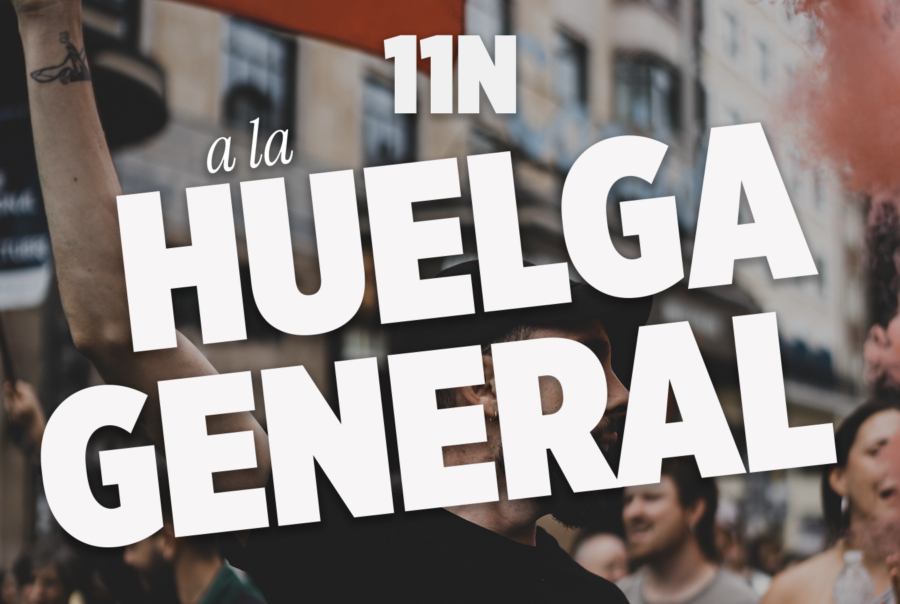
Regarding the general strike scheduled for 11 November, the PCTE expressed concern that it had been called without sufficiently developed prior organisation and preparation in workplaces. It also warned that the strike could be subordinated to the electoral interests of forces that have supported the current coalition government, given its proximity to the elections.
Nevertheless, the party called on workers and popular sectors to participate in preparing and carrying out the strike. It argued that the mobilisation should strengthen organisational capacity, advance concrete demands and overcome existing political and organisational limitations wherever conditions permit. The PCTE stressed that the grievances behind the current protests would not disappear after 11 November or be resolved simply by forming a new government.
The statement defined the proposed workers’ opposition as something broader than parliamentary opposition or an electoral alternative operating within capitalism. The party called for an organised force independent of capitalist governments, rooted in workplaces and neighbourhoods, capable of coordinating immediate struggles and challenging the political and economic power of the bourgeoisie.
The PCTE concluded that its objective was to turn workers’ immediate demands into a basis for developing class consciousness, organisation and fighting capacity, with the longer-term aim of challenging bourgeois power and opening the way to socialism and communism.